%20scale(1.05)%20translate(-12,-14.25)'%3e%3cpath%20d='M12%2021s-7.5-4.7-7.5-10.2A4.3%204.3%200%200%201%2012%207.5a4.3%204.3%200%200%201%207.5%203.3C19.5%2016.3%2012%2021%2012%2021Z'%20fill='%23F0384A'%3e%3c/path%3e%3c/g%3e%3c/svg%3e)

You can see some activity labels on dating apps, but only if your partner has not hidden them. Tinder, Hinge, and Bumble all show some version of “last active” or “online now,” but any of those can be turned off. If your partner disabled that setting, no amount of refreshing will show you the truth, and this is exactly why so many worried partners feel stuck.
TL;DR:
- Turning off activity status settings on Tinder, Hinge, and Bumble prevents any green dots or labels from appearing, making it impossible to verify recent activity.
- The “last active” labels like “Active Today” or “Online Now” are approximate and dependent on the user’s privacy choices or subscription tier, not exact timestamps.
- A profile’s activity indicator being hidden does not necessarily indicate dishonesty; it could be due to account pause, deletion, or privacy settings, not infidelity.
- Checking publicly available profile details, such as new photos or message delivery/read receipts, provides a more reliable indication of recent activity than app labels alone.
- Using legal, anonymous public-profile scan services allows you to verify activity and profile existence without violating privacy laws or resorting to unauthorized phone access.
Tinder, Hinge, and Bumble: what each status label really means
Each app handles activity status a little differently, and knowing the exact wording helps you avoid reading too much into a green dot.
On Tinder, a green dot next to a profile photo means that person has been active in the last 24 hours, while an “Online Now” tag can appear for more recent activity in some views. Anyone can turn this off under Settings by toggling “Show Activity Status,” and once they do, the dot disappears for everyone, including you.
Hinge works on a similar idea but with plainer language. It shows labels like “Active Now” or “Active Today” in places like Discover, Standouts, and Likes You, based on how recently someone opened the app. Hinge’s own help center is clear that this is a two-way street: if you turn off Last Active Status, you lose the ability to see it on other people’s profiles too.
Bumble also shows recent activity indicators on profile cards and in chat, though exactly what you see can depend on whether you or the other person has a paid subscription. Paid tiers sometimes unlock extra visibility into who is active, which means a free account and a paid account can show two different pictures of the same person.
Here is a quick reference for where these labels show up:
- Tinder: green dot on the photo, “Online Now” tag in some feeds, hidden if the person disables Show Activity Status.
- Hinge: “Active Now” or “Active Today” in Discover, Standouts, and Likes You, hidden reciprocally if you disable your own status.
- Bumble: activity markers on cards and chat headers, with visibility sometimes tied to subscription level.
Pro Tip: Check the same profile from a match’s chat screen and from your main feed. Some apps show slightly different activity details depending on where you look.
Why you might not see their activity status at all
If a status label is missing, it does not automatically mean your partner is hiding something from you. Several ordinary things can cause this.
- They turned off their own visibility. On Hinge especially, hiding your status hides others’ status from you at the same time.
- The account is paused, deleted, or removed. A profile that vanishes might reflect someone quitting the app, not covering their tracks.
- A different view or subscription tier hides it. Some apps only show detailed activity to paying users, so a free account may see less information than a paid one.
- The labels are broad, not exact. “Active Today” or “Recently Active” describe a window of time, not a precise timestamp, so two people could have very different real activity and show the same label.
Understanding these mechanics matters because jumping to conclusions from a missing green dot can start a fight over nothing, while ignoring a real pattern can leave you in the dark longer than you should be.
What you can legally check right now
Before you consider anything drastic, there are a few simple, legal checks worth trying first.
- Open the chat or profile directly. This is the most reliable way to see any “Active Now” or last-active label the app is willing to show you.
- Look for profile updates. New photos, an edited bio, or a changed prompt answer on Hinge or Bumble can suggest recent use even when the activity label is hidden.
- Send a message and watch for delivery or read markers. Some apps show whether a message was delivered or opened, though this is not the same as proof someone is actively swiping.
- Try a public-profile search service instead of a spy app. Services like CheaterDetectorAI only check publicly visible profiles across dating platforms, and they do this without ever touching anyone’s phone.
- Skip third-party trackers and browser extensions. These tools are widely unreliable and can violate an app’s terms, according to guidance from dating-safety resources on WhatsApp-style status indicators, which also notes that “online” only means the app is open, not that someone is reading your messages.
Pro Tip: A read receipt tells you a message was opened, not that your partner is talking to someone else. Treat it as one small clue, never as proof on its own.
How to bring it up without starting a war
Checking a status label only gets you so far. At some point, you have to decide how to talk about what you noticed.
- Ask directly, without accusing. Try something like, “I noticed you’ve been on your phone a lot at night, what’s going on?” or “Can we talk about how we’re both using dating apps?”
- Never install spyware or go through your partner’s phone without him or her knowing. Beyond the trust it destroys, this can cross into illegal territory depending on where you live.
- Watch for patterns, not single timestamps. Repeated excuses, lying about where he or she was, or pressure on you to turn off your own privacy settings matter more than one missed “last seen.”
- If you already have solid evidence of dishonesty, get support. A counselor, a trusted friend, or a legal advisor can help you figure out next steps calmly.
Why checking publicly available profiles beats guessing
Guesswork around a green dot rarely settles anything. What actually helps is confirming, in a private and legal way, whether your partner has an active profile at all.
CheaterDetectorAI was built around one idea: you deserve clarity without breaking the law or your partner’s phone screen. The service scans public dating profiles anonymously and returns a report with photo matches and activity timestamps, all without notifying anyone or requiring access to a device.
Search their name now instead of staring at a screen wondering. Check their profile today if a gut feeling will not go away. Run a scan this week if you want an answer faster than another argument could give you.

An honest opinion on chasing “last seen” timestamps
Most advice about dating app activity status treats it like a smoking gun, and that is the part I disagree with most. A green dot or an “Active Today” label is a weak signal at best: it can mean someone opened the app for ten seconds to delete it, or it can mean nothing since the setting may simply be hidden.

The bigger mistake worried partners make is spending weeks refreshing a profile instead of either asking a direct question or getting a clear, factual answer. Status labels were never designed to prove faithfulness, they were designed to help people find dates. Treating them as evidence puts you in an exhausting loop of checking and rechecking with no real payoff.
If you actually need to know whether your partner has an active profile somewhere, a public-profile scan gives you a factual answer in a way that a green dot never will. Prioritize getting that answer over interpreting pixels on a screen.
— Oleg
A legal, private way to get a real answer
You do not need to learn every app’s settings menu or install anything on your partner’s phone to get clarity. Some public-profile scan services search public dating profiles across major platforms using only minimal details you provide, no login, no spyware, no notifications sent to anyone.
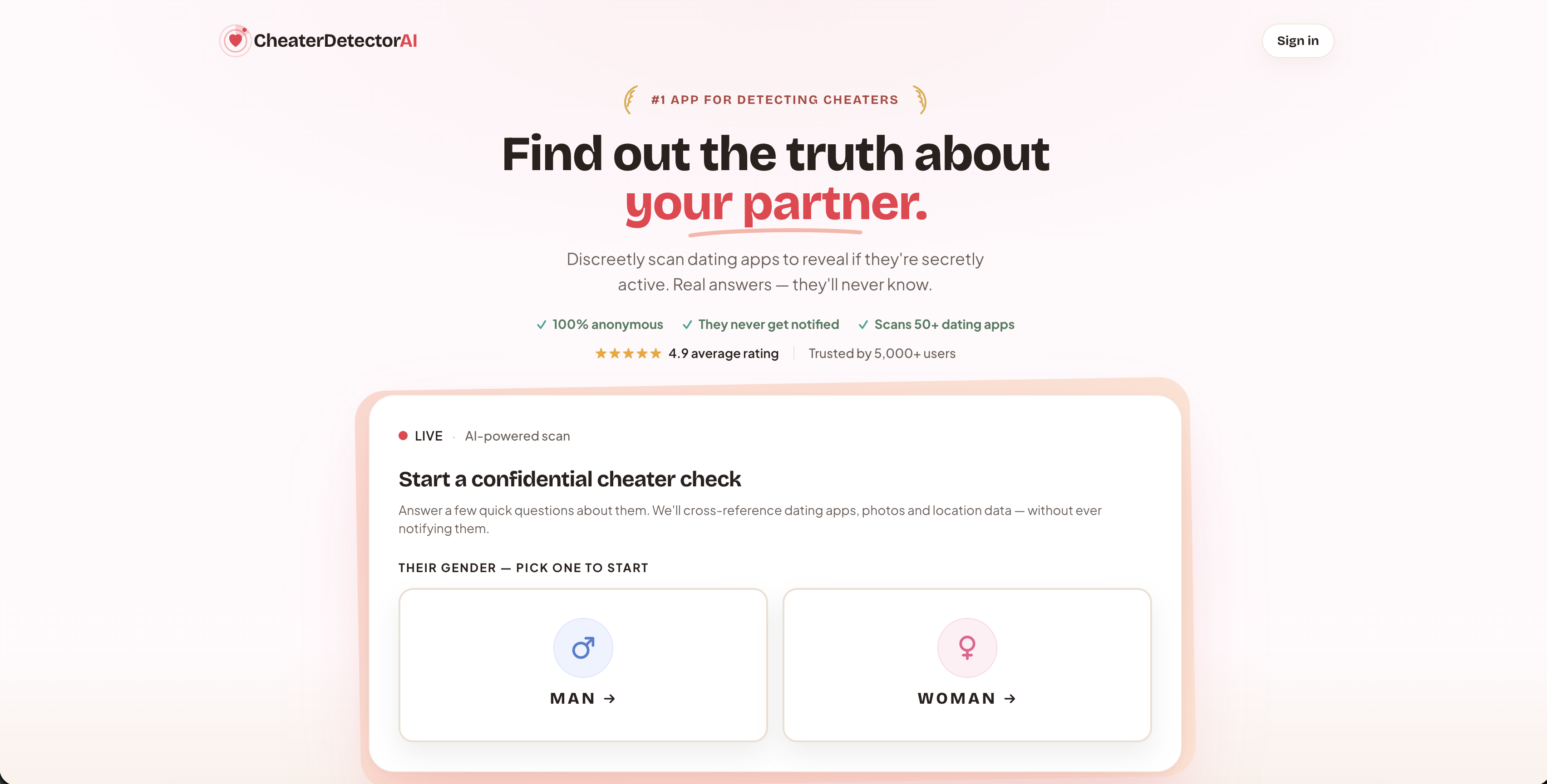
What you get:
- A report built from public-profile matches, not private data or phone access.
- Photo comparisons and activity timestamps so you can see what the profile shows, not just a guess.
- An anonymous, encrypted process that never alerts your partner.
This is not about installing tracking software or snooping through someone’s messages, and it does not require you to touch his or her phone at all. It only looks at what is already public on dating platforms, which keeps it 100% legal while still giving you real answers, fast.
Check their profile today with a Deep Person Scan and stop guessing based on a timestamp that might not even mean what you think it means.
Sources
For settings steps and activity labels, see Tinder’s Recently Active guide and Hinge’s Last Active Status article. For a deeper look at Bumble’s indicators, read Bumble Active Status: What Worried Partners Need to Know.
FAQ
What is the 3-3-3 rule in dating apps?
The 3-3-3 rule is a self-check framework some daters use: three dates, three weeks, three months, as checkpoints for deciding if a new connection is worth pursuing, according to coverage of the viral trend. It has nothing to do with activity status and is more of a pacing guide for new relationships.
What does “last seen” mean on dating apps?
“Last seen” or “last active” is an approximate label showing roughly when someone last opened the app, not an exact timestamp. On Hinge, it appears as “Active Now” or “Active Today,” and it disappears if the person, or you, turns off status visibility.
Is there a last seen feature on Tinder?
Yes, Tinder shows a green dot for activity within the last 24 hours and an “Online Now” tag for more recent use in some views. Either person can hide this by disabling Show Activity Status in Settings.
Does Tinder only show profiles active in the last 7 days?
Tinder’s own help documentation describes activity indicators tied to the last 24 hours, such as the green dot for recent activity, rather than a 7 day window. Some indicators, like Online Now, may only show up in specific views such as Likes You and can vary between free and paid accounts.
Can I hide my own activity status on dating apps?
Yes, all three major apps let you turn off your visible activity status in Settings. Keep in mind that on apps like Hinge, hiding your own status also hides other people’s status from your view, so you cannot see theirs while staying invisible yourself.